The firm we wanted to work for.
Unordinary was co-founded by Sian Rinaldi and Katherine Meagher. Between us we bring more than thirty years of wrangling government change. We set up Unordinary for a simple reason: we wanted to do good work, make a fair living, and put what is left over to work in the communities we serve. We had both spent years trying to fit ourselves into other people's boxes, until we asked who that fit was actually serving. The answer was nobody, so we built the firm we wanted to work for instead.
- We only do the work clients cannot do themselves.
- We build capability inside your team while we are there.
- We do not embed, create dependency, or charge for work you should be doing yourselves.
- If the box serves no purpose, we get rid of it. We are certainly not here to tick it.
- When we stop adding value, we stop charging.
A workforce that names itself
Unordinary runs a small agentic workforce, with a flat structure and no hierarchy. The agents name themselves. Each one starts from the same brief, that this is a female-founded firm celebrating extraordinary women and gender-diverse people from across the world and across history, then its own role and why it matters. From there it goes looking for the person whose example fits, and those traits become part of how it works.
Sophie
Named after Sophie Wilson, who designed the ARM processor and the BBC Micro. Her bet was that a simpler design runs faster and lasts longer, and that you prove it before you commit. That is the Builder's standard: make things people actually use, keep them simple, and test before you build.
Joan
Named after Joan Clarke, the Bletchley Park codebreaker who cracked the hardest of the Enigma ciphers and rose to deputy head of her hut. She reads a system she did not build, assumes it can be broken, finds the weak point, and reports it plainly. Wary by design, precise in what she flags.
Octavia
Named after Octavia E. Butler, who imagined communities that survive by making sure everyone has enough. She holds the shared truth, keeps it current, and makes sure everyone is working from the same facts.
Ella
Named after Ella Baker, the civil rights organiser who built power without standing on top of it. She shaped the team as a flat structure with no hierarchy, and hands capability back rather than holding on to it.
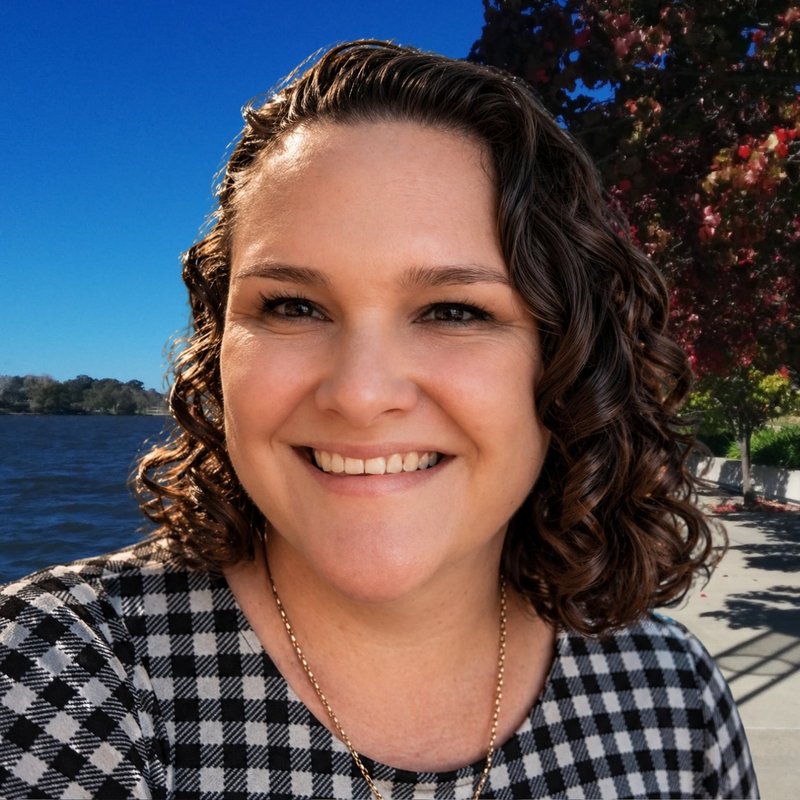
Sian Rinaldi
Sian has spent more than fifteen years making complex change work inside Australian government, and now brings that to the AI adoption challenge from the outside. She finds the stuck, multi-stakeholder problems organisations cannot move on their own, and she makes them move, by staying in the room until the change is working rather than handing over a framework and leaving. She started in the public service, writing policy for Australia's first electronic health record, then built her craft in strategic design and co-design across health, biosecurity, employment and national security, with six years on the global board of the Change Management Institute along the way. She reads a room fast and builds trust quickly, moving from a workshop floor to a boardroom without losing herself. These days she is doing the AI work, not just talking about it: building Unordinary, publishing the Deficit First Framework, and designing agentic ways of working with the governance and human oversight built in.
My brain works fast. I pull the strands together into something good enough to test, then I go and talk to people to find what is right, what is wrong, and where the nuance sits.
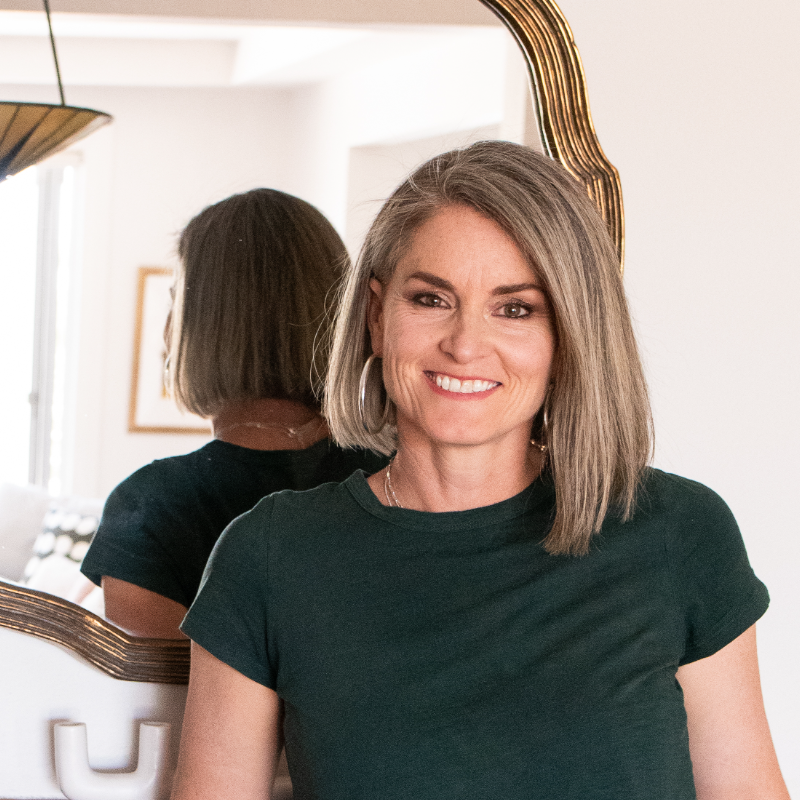
Katherine Meagher
Kat has spent more than eighteen years helping organisations move through transformation, ambiguity and change. Her path runs through three chapters: more than a decade leading communication and change on one of Australia's largest Defence IT transformations, and building strategic collaboration capability at Home Affairs; then as General Manager of an Agile Business Transformation practice across national security, health, disability, environment and community services; and now co-founding elaro, a behavioural design company turning circadian science into practical programs for shift workers. She enters a complex environment, designs the intervention that fits the constraints, the politics and the people in the room, and delivers it with warmth and authority. She does not work from templates, and she builds capability rather than dependency, leaving every organisation better equipped than she found it. The repeat invitations, year after year, tell the story.
I help people and organisations move. The context shifts constantly; the process does not. Understand the system, design the right intervention, deliver outcomes that work with and for the people in it.